
What Is Internal Family Systems Therapy (IFS)? A Beginner-Friendly Guide
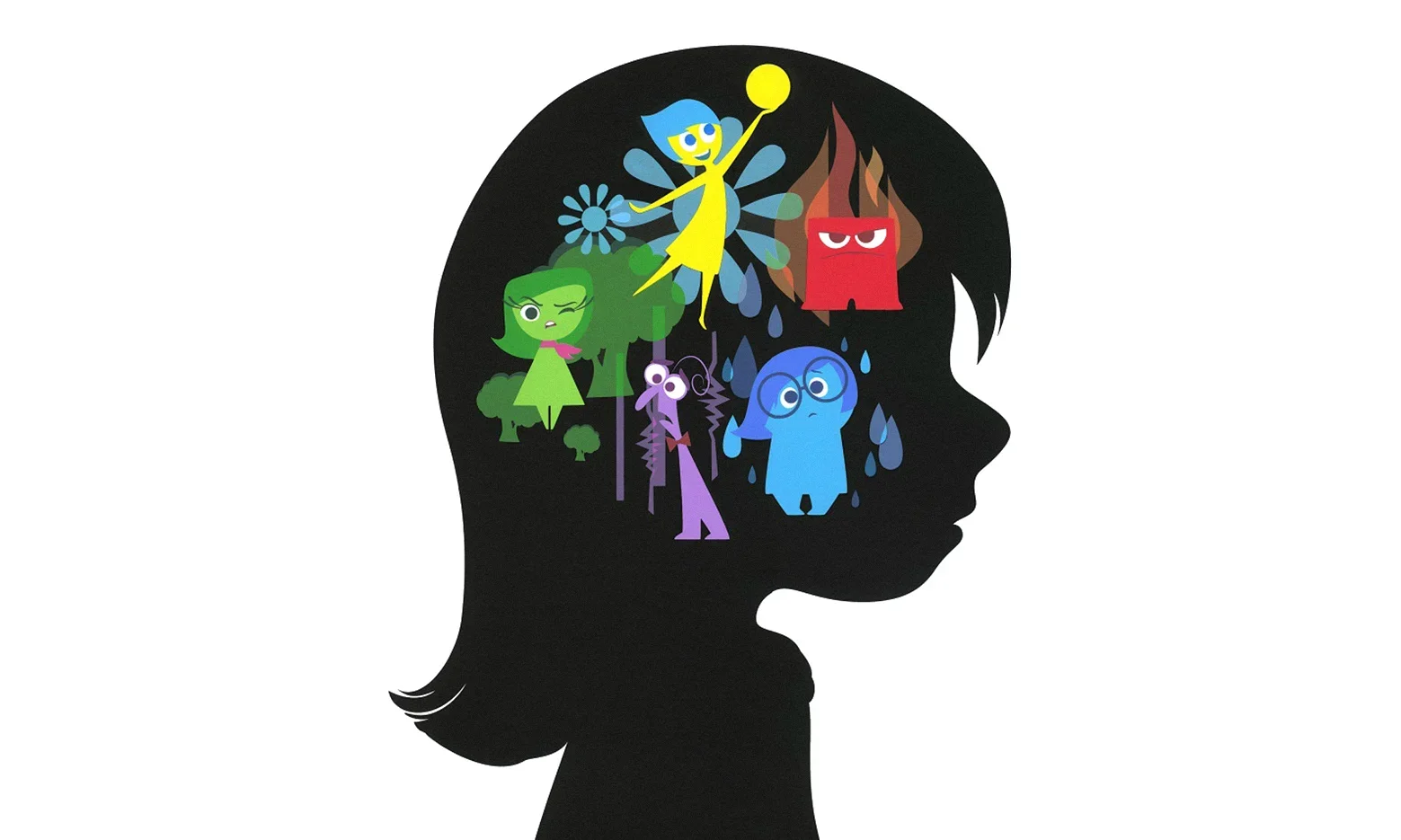
If you’ve ever felt like part of you wants one thing while another part wants the exact opposite, you’re not alone — and you’re not broken.
Internal Family Systems (IFS) therapy is a powerful, evidence-based approach that helps people understand why they feel, think, and react the way they do, without pathologizing or shaming those reactions.
This guide is designed to give you a clear, jargon-free introduction to IFS, especially if you’re a young adult who wants deeper self-understanding, emotional clarity, and more compassion toward yourself.
The Core Idea Behind IFS Therapy
IFS is based on a simple but transformative idea:
The mind is made up of different parts, and every part has a reason for existing.
Rather than seeing symptoms like anxiety, self-criticism, or emotional shutdown as problems to eliminate, IFS understands them as protective strategies that developed in response to past experiences.
In other words: your mind adapted to keep you safe.
What Are “Parts” in Internal Family Systems?
In IFS, parts are inner experiences that show up as thoughts, emotions, impulses, or patterns of behavior.
Some common examples include:
The anxious part that constantly anticipates what could go wrong
The inner critic that pushes you to do better (often harshly)
The people-pleasing part that avoids conflict
The numbing or shutting-down part that checks out when things feel overwhelming
The overachieving or overworking part that never lets you rest
IFS does not label these parts as bad or dysfunctional. Instead, it asks a different question: What is this part trying to protect?
Why IFS Views All Parts as Protective
One of the most important and often surprising aspects of IFS therapy is the belief that every part has a positive intention, even if its impact is painful or frustrating.
Most protective parts formed earlier in life, often during moments when:
emotions felt too big to handle
needs were unmet
safety or consistency was uncertain
expressing feelings didn’t feel possible
Those strategies may no longer be serving you now, but they once helped you survive.
IFS helps you understand those strategies instead of fighting them.
What Is “Self” in Internal Family Systems?
Underneath all of your parts is what IFS calls Self.
Self is not another part, it’s your natural state of being.
When you’re in Self, you may notice qualities like:
calm
clarity
curiosity
compassion
confidence
groundedness
You don’t have to earn or create Self. According to IFS, it already exists within you.
The goal of IFS therapy is to help parts trust Self enough to soften their extreme roles.
How IFS Therapy Works
IFS therapy is collaborative, gentle, and paced according to your nervous system.
In sessions, you might:
notice a part that is present in a certain situation
get curious about how that part feels and what it fears
understand when and why it took on its role
help that part feel safer or less burdened
Importantly, IFS does not require you to relive trauma in detail or push yourself beyond what feels manageable.
How IFS Is Different From Other Therapy Approaches
Many people are drawn to IFS because it feels less pathologizing and more compassionate.
IFS therapy is not about:
fixing what’s “wrong” with you
forcing positive thinking
suppressing emotions
endlessly rehashing the past
Instead, IFS focuses on building a respectful relationship with your inner world so that change happens organically.
Who Can Benefit From Internal Family Systems Therapy?
IFS can be especially helpful if you:
feel stuck in repeating emotional or relational patterns
struggle with anxiety, burnout, or self-criticism
feel conflicted internally or disconnected from yourself
want to understand your reactions rather than judge them
are interested in trauma-informed, nervous-system-aware therapy
IFS is used with individuals, couples, and even in self-guided practices.
Why IFS Resonates With Young Adults
Young adulthood often comes with:
identity shifts
career pressure
relationship changes
increased self-awareness
IFS offers a framework that helps you make sense of these experiences without reducing them to diagnoses or labels.
Instead of asking, “What’s wrong with me?”, IFS invites a new question:
What happened to me, and how did I adapt?
Exploring IFS Further
You don’t need to fully understand IFS before starting therapy. Curiosity is enough.
Whether you’re exploring Internal Family Systems through therapy, books, or guided exercises, the heart of the work remains the same:
Learning to listen to yourself with more clarity, compassion, and trust.
This post is for educational purposes and is not a substitute for mental health treatment.